Regulatory Risks of Mishandling Waste Oil: Why Compliance Matters
Waste oil, including used motor oil, industrial lubricants, and contaminated fuels, is more than just a byproduct of industrial processes or automotive maintenance — it’s a hazardous material that demands proper handling and disposal. Mishandling waste oil not only poses significant environmental threats but also opens businesses to severe regulatory risks, hefty fines, and potential legal consequences. In this blog post, we’ll explore the regulatory landscape surrounding waste oil management and the risks associated with non-compliance.
Understanding the Regulations
In the United States, waste oil management is heavily regulated to protect public health and the environment. Some of the key regulatory frameworks include:
- Resource Conservation and Recovery Act (RCRA) - Overseen by the Environmental Protection Agency (EPA), this law governs the handling, transportation, and disposal of hazardous wastes, including used oil.
- Clean Water Act (CWA) - Prohibits the discharge of pollutants, including oil, into waterways without a permit.
- Clean Air Act (CAA) - Regulates emissions from waste oil combustion.
- Occupational Safety and Health Administration (OSHA) - Mandates safety protocols for handling and storing hazardous materials.
Each state may also have its own regulations that add another layer of compliance requirements. Failure to adhere to these standards can result in severe consequences.
The Risks of Mishandling Waste Oil
Environmental Damage
One of the most obvious risks is environmental harm. Just one gallon of used motor oil can contaminate up to one million gallons of freshwater. If waste oil leaks into soil or groundwater, it can persist for years, poisoning ecosystems and endangering human health.
Legal and Financial Consequences
Non-compliance with waste oil regulations can lead to significant fines and legal actions. The EPA has imposed penalties reaching hundreds of thousands of dollars on businesses that failed to follow proper disposal practices. In some cases, responsible individuals can face criminal charges, including imprisonment, for gross negligence or intentional violations.
Business Reputation Damage
Even a single incident of improper waste oil handling can damage a company’s reputation. The public expects businesses to uphold environmental stewardship, and news of spills or regulatory violations can lead to loss of customer trust and negative media coverage.
Cleanup and Remediation Costs
If a spill or improper disposal occurs, cleanup costs can quickly spiral out of control. Businesses may be held financially responsible for the remediation of contaminated land and water. Additionally, lawsuits from affected communities or individuals can significantly impact a company’s financial stability.
Common Mishandling Scenarios
- Improper Storage: Waste oil stored in unapproved containers or in areas prone to leakage.
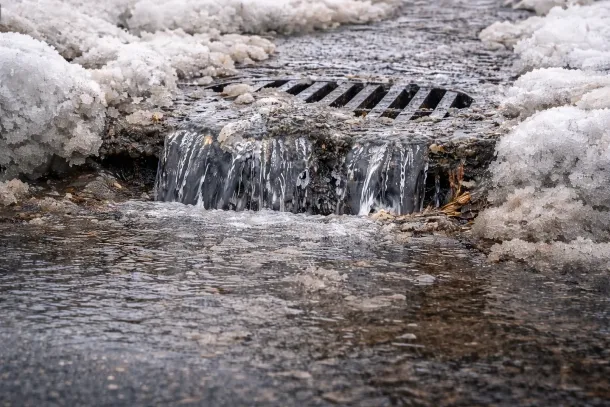
- Illegal Dumping: Disposing of waste oil in storm drains, landfills, or unregulated sites.
- Inadequate Employee Training: Workers mishandling oil due to lack of training on safety and regulatory requirements.
- Incomplete Record Keeping: Failing to document oil collection, storage, and disposal can result in regulatory fines and legal scrutiny.
How to Mitigate the Risks
- Develop a Waste Oil Management Plan: Clearly outline procedures for handling, storing, transporting, and disposing of waste oil.
- Partner with Certified Disposal Companies: Ensure your waste oil is handled by licensed and certified professionals.
- Employee Training: Regularly train employees on safe handling practices and regulatory compliance.
- Documentation and Record Keeping: Maintain detailed records of all waste oil transactions and processes.
- Conduct Routine Inspections: Regularly inspect storage areas and containment systems to identify and address potential issues.
Stay Compliant and Stay Protected
Compliance with waste oil regulations is not just a legal obligation — it’s a commitment to environmental stewardship and community safety. Mishandling waste oil exposes your business to severe risks, but with the right practices and partnerships, you can safeguard your operations and the environment.
At STC, we take pride in offering compliant, reliable, and environmentally responsible waste oil management services. Let us help you navigate the complex regulatory landscape and protect your business from unnecessary risks. Contact us today to learn more!
Waste oil, including used motor oil, industrial lubricants, and contaminated fuels, is more than just a byproduct of industrial processes or automotive maintenance — it’s a hazardous material that demands proper handling and disposal. Mishandling waste oil not only poses significant environmental threats but also opens businesses to severe regulatory risks, hefty fines, and potential legal consequences. In this blog post, we’ll explore the regulatory landscape surrounding waste oil management and the risks associated with non-compliance.
Understanding the Regulations
In the United States, waste oil management is heavily regulated to protect public health and the environment. Some of the key regulatory frameworks include:
- Resource Conservation and Recovery Act (RCRA) - Overseen by the Environmental Protection Agency (EPA), this law governs the handling, transportation, and disposal of hazardous wastes, including used oil.
- Clean Water Act (CWA) - Prohibits the discharge of pollutants, including oil, into waterways without a permit.
- Clean Air Act (CAA) - Regulates emissions from waste oil combustion.
- Occupational Safety and Health Administration (OSHA) - Mandates safety protocols for handling and storing hazardous materials.
Each state may also have its own regulations that add another layer of compliance requirements. Failure to adhere to these standards can result in severe consequences.
The Risks of Mishandling Waste Oil
Environmental Damage
One of the most obvious risks is environmental harm. Just one gallon of used motor oil can contaminate up to one million gallons of freshwater. If waste oil leaks into soil or groundwater, it can persist for years, poisoning ecosystems and endangering human health.
Legal and Financial Consequences
Non-compliance with waste oil regulations can lead to significant fines and legal actions. The EPA has imposed penalties reaching hundreds of thousands of dollars on businesses that failed to follow proper disposal practices. In some cases, responsible individuals can face criminal charges, including imprisonment, for gross negligence or intentional violations.
Business Reputation Damage
Even a single incident of improper waste oil handling can damage a company’s reputation. The public expects businesses to uphold environmental stewardship, and news of spills or regulatory violations can lead to loss of customer trust and negative media coverage.
Cleanup and Remediation Costs
If a spill or improper disposal occurs, cleanup costs can quickly spiral out of control. Businesses may be held financially responsible for the remediation of contaminated land and water. Additionally, lawsuits from affected communities or individuals can significantly impact a company’s financial stability.
Common Mishandling Scenarios
- Improper Storage: Waste oil stored in unapproved containers or in areas prone to leakage.
- Illegal Dumping: Disposing of waste oil in storm drains, landfills, or unregulated sites.
- Inadequate Employee Training: Workers mishandling oil due to lack of training on safety and regulatory requirements.
- Incomplete Record Keeping: Failing to document oil collection, storage, and disposal can result in regulatory fines and legal scrutiny.
How to Mitigate the Risks
- Develop a Waste Oil Management Plan: Clearly outline procedures for handling, storing, transporting, and disposing of waste oil.
- Partner with Certified Disposal Companies: Ensure your waste oil is handled by licensed and certified professionals.
- Employee Training: Regularly train employees on safe handling practices and regulatory compliance.
- Documentation and Record Keeping: Maintain detailed records of all waste oil transactions and processes.
- Conduct Routine Inspections: Regularly inspect storage areas and containment systems to identify and address potential issues.
Stay Compliant and Stay Protected
Compliance with waste oil regulations is not just a legal obligation — it’s a commitment to environmental stewardship and community safety. Mishandling waste oil exposes your business to severe risks, but with the right practices and partnerships, you can safeguard your operations and the environment.
At STC, we take pride in offering compliant, reliable, and environmentally responsible waste oil management services. Let us help you navigate the complex regulatory landscape and protect your business from unnecessary risks. Contact us today to learn more!