The Importance of Properly Disposing of Contaminated Fuel
Contaminated fuel is a hidden hazard that can wreak havoc on engines, damage infrastructure, endanger the environment, and pose serious health and safety risks. Whether it’s due to water intrusion, microbial growth, sediment buildup, or chemical degradation, contaminated fuel cannot be used safely or effectively—and how you handle its disposal matters more than most people realize.
Diesel and gasoline can become contaminated over time through exposure to moisture, poor storage conditions, aging, or improper handling. Water is a common culprit, entering tanks via condensation or faulty seals, which then promotes the growth of microbial colonies. Other contaminants like dirt, rust particles, and degraded fuel components can accumulate, leading to thick sludge that renders the fuel unusable.
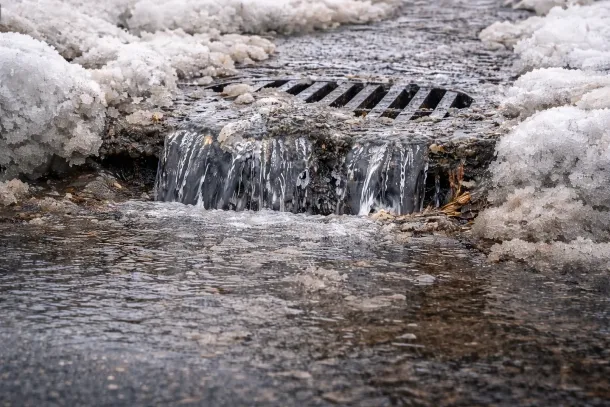
Disposing of contaminated fuel improperly—such as dumping it down a drain, on the ground, or into a regular waste container—can result in serious environmental and legal consequences. Fuel contains toxic substances that can leach into soil and groundwater, harming wildlife and contaminating drinking water supplies. It also poses a major fire and explosion risk. On top of that, regulatory bodies such as the EPA and local environmental agencies enforce strict rules regarding fuel waste disposal, and violations can result in steep fines or legal action.
Proper disposal of contaminated fuel involves a professional, multi-step process:
- Assessment – Technicians test the fuel to identify the type and level of contamination.
- Safe Removal – Using certified equipment, contaminated fuel is extracted from storage tanks without endangering personnel or surrounding areas.
- Transportation – The waste is transported in sealed, labeled containers by licensed hazardous waste haulers.
- Treatment or Recycling – Depending on the condition of the fuel, it may be treated, filtered for reuse, or safely destroyed through approved methods.
For businesses, especially those in fuel storage, transportation, or heavy industry, proper fuel disposal isn’t just a legal requirement—it’s a reflection of corporate responsibility. Clients and regulators alike are watching how companies manage their environmental impact. A clean, compliant approach not only protects the planet but enhances your reputation as a trustworthy and conscientious operator.
Contaminated fuel is more than just a waste product—it’s a potential environmental hazard and operational liability. STC Sump and Trap has safe and responsible disposal methods, to help companies avoid legal trouble, protect public health, and play a part in preserving natural resources.
Contaminated fuel is a hidden hazard that can wreak havoc on engines, damage infrastructure, endanger the environment, and pose serious health and safety risks. Whether it’s due to water intrusion, microbial growth, sediment buildup, or chemical degradation, contaminated fuel cannot be used safely or effectively—and how you handle its disposal matters more than most people realize.
Diesel and gasoline can become contaminated over time through exposure to moisture, poor storage conditions, aging, or improper handling. Water is a common culprit, entering tanks via condensation or faulty seals, which then promotes the growth of microbial colonies. Other contaminants like dirt, rust particles, and degraded fuel components can accumulate, leading to thick sludge that renders the fuel unusable.
Disposing of contaminated fuel improperly—such as dumping it down a drain, on the ground, or into a regular waste container—can result in serious environmental and legal consequences. Fuel contains toxic substances that can leach into soil and groundwater, harming wildlife and contaminating drinking water supplies. It also poses a major fire and explosion risk. On top of that, regulatory bodies such as the EPA and local environmental agencies enforce strict rules regarding fuel waste disposal, and violations can result in steep fines or legal action.
Proper disposal of contaminated fuel involves a professional, multi-step process:
- Assessment – Technicians test the fuel to identify the type and level of contamination.
- Safe Removal – Using certified equipment, contaminated fuel is extracted from storage tanks without endangering personnel or surrounding areas.
- Transportation – The waste is transported in sealed, labeled containers by licensed hazardous waste haulers.
- Treatment or Recycling – Depending on the condition of the fuel, it may be treated, filtered for reuse, or safely destroyed through approved methods.
For businesses, especially those in fuel storage, transportation, or heavy industry, proper fuel disposal isn’t just a legal requirement—it’s a reflection of corporate responsibility. Clients and regulators alike are watching how companies manage their environmental impact. A clean, compliant approach not only protects the planet but enhances your reputation as a trustworthy and conscientious operator.
Contaminated fuel is more than just a waste product—it’s a potential environmental hazard and operational liability. STC Sump and Trap has safe and responsible disposal methods, to help companies avoid legal trouble, protect public health, and play a part in preserving natural resources.