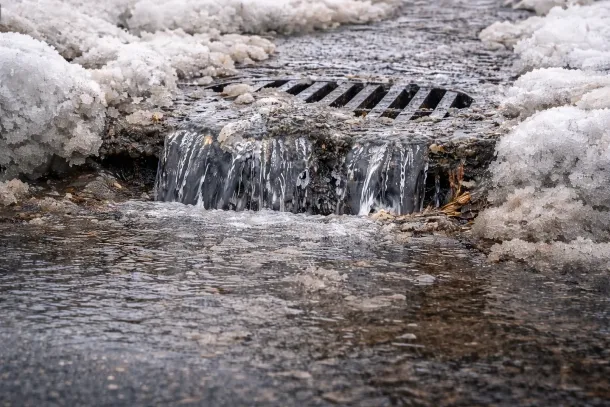
Preparing Storm Drains for Intense Rainfall
With climate change driving more frequent and intense rainfall events, effective storm water drainage systems have become a critical part of facility and site resilience. This article focuses on how keeping sump pits and storm drains clear — and managing runoff volumes upstream — supports that resilience. We won’t dive into plumbing mechanics or detailed component maintenance, but instead look at capacity, flow, risk and strategy.
1. Why the issue is growing
- Many drainage systems were sized based on past rainfall patterns. As noted by the US Environmental Protection Agency (EPA), more frequent and intense downpours can overwhelm the design capacity of storm water systems.
- That means: even if drains and sumps are clean now, the volume and speed of runoff may exceed what the system was built to handle.
- Urbanization compounds the problem: more impervious surfaces (roofs, parking lots, pavements) → less infiltration → more rapid and greater runoff.
2. What “capacity” means in this context
- Capacity isn’t only about the size of pipes or sumps — it’s also about how unobstructed the system is (sediment, debris, trash, blockages reduce volume).
- It’s also about how much runoff arrives in a short time, and how fast the system can carry or divert it away without backup.
- In short: even a well-cleaned sump can be overwhelmed if upstream flow volume is very high, or if drains are partially obstructed.
3. Strategic actions to increase resilience
Here are key strategic actions (beyond “mechanics of cleaning pumps etc.”) that help align sump + storm drain work with climate-resilience goals:
- Pre-storm assessment & scheduled cleanings: Increase attention ahead of forecast heavy rainfall seasons / known storm windows. Ensuring sumps and drains are clear before major events helps maximize capacity when it counts most.
- Upstream runoff management: Encourage or implement features that reduce/slow runoff reaching the drainage system, such as: permeable paving, landscaping to slow flow, onsite detention or retention (see section below).
- Monitoring & documentation: Keep clear records of cleaning/inspection, flow issues, near-overflow events. Having historical service/inspection logs supports making the case for more frequent work or upgrades.
- Green infrastructure and resilient design practices: For example, systems that accept water more slowly or provide temporary storage (rather than simply “carry away fast”) help manage peak loads.
- Dedicated funding / planning: Some municipalities tie resilience into dedicated storm water funds or “storm water authorities” to ensure recurring work and improvements happen.
4. Best practices & tips for owners/operators
- Prioritize inspection after heavy rainfall events, even if drainage appears functional. Small blockages or sediment build-up may not be obvious until there’s a near-overflow.
- Consider seasonal ramp-up of cleaning frequency: e.g., before monsoon/high-rain seasons, after tree-leaf drop, after major construction around your site (which may contribute debris).
- Coordinate cleaning schedules with your stormwater risk calendar (local weather forecasts, historical heavy rainfall periods).
- Document “pre-storm cleared, ready” status for sumps and drains — this supports operational readiness and helps justify budget for more proactive work.
- Work with a trusted specialist (contractor/service provider) who understands runoff volume risk and capacity load, not just “clear the drains.”
5. Why this matters (beyond just immediate flooding)
- Preventing minor back-ups or slow drainage now helps avoid larger disruption, costlier response or recovery work — especially in high-rain seasons.
- Clear drainage supports better pollutant control: when runoff is backed up or flows slowly, there’s more opportunity for sediment, debris or contaminants to accumulate or re-enter downstream systems.
- Demonstrating resilience (i.e., you have thought ahead, scheduled maintenance, mitigated risk) can be a positive in regulatory, insurance or operational-risk contexts.
6. Suggested next steps for your blog & clientele
- Encourage clients to schedule a “storm-ready drain audit”: pre-rain-season inspection + clean + documentation of clearance.
- Create a “rainfall risk calendar” for different climates/regions (e.g., monsoon months, tropical storms) and align drain/sump maintenance accordingly.
- Develop brief case-studies/profiles of clients who adopted more proactive cleaning + upstream runoff mitigation + monitoring — showing cost/time savings, fewer issues.
- Work with partners or suppliers of green infrastructure features (e.g., permeable pavement, bioretention, onsite detention) to offer clients end-to-end resilience planning.
As rainfall patterns shift toward more frequent and intense events, drainage systems — including sumps and storm drains — must be managed proactively for capacity and resilience, not just reactive repair. For your clients (commercial, municipal, industrial), the message is: “It’s not enough to clean when things clog — you need to ensure the system is ready for heavy loads before they arrive.”
With climate change driving more frequent and intense rainfall events, effective storm water drainage systems have become a critical part of facility and site resilience. This article focuses on how keeping sump pits and storm drains clear — and managing runoff volumes upstream — supports that resilience. We won’t dive into plumbing mechanics or detailed component maintenance, but instead look at capacity, flow, risk and strategy.
1. Why the issue is growing
- Many drainage systems were sized based on past rainfall patterns. As noted by the US Environmental Protection Agency (EPA), more frequent and intense downpours can overwhelm the design capacity of storm water systems.
- That means: even if drains and sumps are clean now, the volume and speed of runoff may exceed what the system was built to handle.
- Urbanization compounds the problem: more impervious surfaces (roofs, parking lots, pavements) → less infiltration → more rapid and greater runoff.
2. What “capacity” means in this context
- Capacity isn’t only about the size of pipes or sumps — it’s also about how unobstructed the system is (sediment, debris, trash, blockages reduce volume).
- It’s also about how much runoff arrives in a short time, and how fast the system can carry or divert it away without backup.
- In short: even a well-cleaned sump can be overwhelmed if upstream flow volume is very high, or if drains are partially obstructed.
3. Strategic actions to increase resilience
Here are key strategic actions (beyond “mechanics of cleaning pumps etc.”) that help align sump + storm drain work with climate-resilience goals:
- Pre-storm assessment & scheduled cleanings: Increase attention ahead of forecast heavy rainfall seasons / known storm windows. Ensuring sumps and drains are clear before major events helps maximize capacity when it counts most.
- Upstream runoff management: Encourage or implement features that reduce/slow runoff reaching the drainage system, such as: permeable paving, landscaping to slow flow, onsite detention or retention (see section below).
- Monitoring & documentation: Keep clear records of cleaning/inspection, flow issues, near-overflow events. Having historical service/inspection logs supports making the case for more frequent work or upgrades.
- Green infrastructure and resilient design practices: For example, systems that accept water more slowly or provide temporary storage (rather than simply “carry away fast”) help manage peak loads.
- Dedicated funding / planning: Some municipalities tie resilience into dedicated storm water funds or “storm water authorities” to ensure recurring work and improvements happen.
4. Best practices & tips for owners/operators
- Prioritize inspection after heavy rainfall events, even if drainage appears functional. Small blockages or sediment build-up may not be obvious until there’s a near-overflow.
- Consider seasonal ramp-up of cleaning frequency: e.g., before monsoon/high-rain seasons, after tree-leaf drop, after major construction around your site (which may contribute debris).
- Coordinate cleaning schedules with your stormwater risk calendar (local weather forecasts, historical heavy rainfall periods).
- Document “pre-storm cleared, ready” status for sumps and drains — this supports operational readiness and helps justify budget for more proactive work.
- Work with a trusted specialist (contractor/service provider) who understands runoff volume risk and capacity load, not just “clear the drains.”
5. Why this matters (beyond just immediate flooding)
- Preventing minor back-ups or slow drainage now helps avoid larger disruption, costlier response or recovery work — especially in high-rain seasons.
- Clear drainage supports better pollutant control: when runoff is backed up or flows slowly, there’s more opportunity for sediment, debris or contaminants to accumulate or re-enter downstream systems.
- Demonstrating resilience (i.e., you have thought ahead, scheduled maintenance, mitigated risk) can be a positive in regulatory, insurance or operational-risk contexts.
6. Suggested next steps for your blog & clientele
- Encourage clients to schedule a “storm-ready drain audit”: pre-rain-season inspection + clean + documentation of clearance.
- Create a “rainfall risk calendar” for different climates/regions (e.g., monsoon months, tropical storms) and align drain/sump maintenance accordingly.
- Develop brief case-studies/profiles of clients who adopted more proactive cleaning + upstream runoff mitigation + monitoring — showing cost/time savings, fewer issues.
- Work with partners or suppliers of green infrastructure features (e.g., permeable pavement, bioretention, onsite detention) to offer clients end-to-end resilience planning.
As rainfall patterns shift toward more frequent and intense events, drainage systems — including sumps and storm drains — must be managed proactively for capacity and resilience, not just reactive repair. For your clients (commercial, municipal, industrial), the message is: “It’s not enough to clean when things clog — you need to ensure the system is ready for heavy loads before they arrive.”