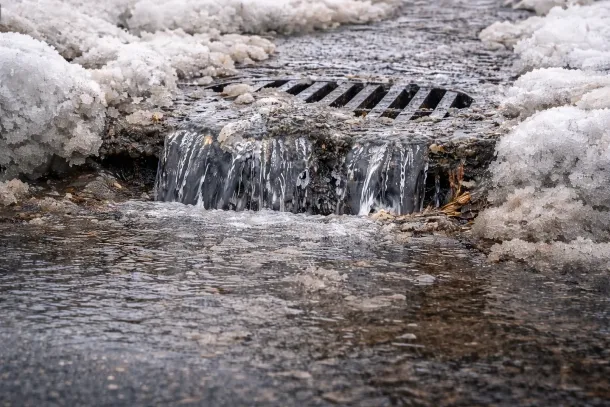
Environmental Compliance: Why Sump & Storm Drain Cleaning Matters
Storm drain and sump maintenance is often thought of as flood prevention — but it’s also a key part of environmental protection and regulatory compliance. Every drain on your site is a potential pathway for pollutants to enter local waterways. Proper cleaning and documentation not only keep systems flowing, but also help facilities stay compliant with storm water discharge regulations and environmental standards.
At STC, we specialize in environmentally responsible cleaning that protects both your operations and the surrounding ecosystem.
1. Storm water Systems as Pollution Pathways
Storm drains and sumps collect runoff from parking lots, loading docks, and paved areas. Along with rainwater, that runoff often carries:
- Oils and grease from vehicles and equipment
- Heavy metals like zinc, copper, and lead from tires, brakes, and rooftops
- Sediment and debris that reduce flow and trap contaminants
- Nutrients and trash that can harm aquatic life downstream
When these pollutants accumulate in drains or sumps, the next rainfall can flush them directly into streams, rivers, or storm water systems — creating compliance risks and environmental harm. Regular cleaning helps break that cycle before contaminants move offsite.
2. The Compliance Connection
Many industrial and commercial properties fall under storm water discharge regulations, such as EPA’s NPDES (National Pollutant Discharge Elimination System) or local MS4 (Municipal Separate Storm Sewer System) permits. These programs set strict limits on what can enter storm drains.
Failure to manage pollutants at the source — including debris and sediment buildup — can result in:
- Violations or fines for exceedances
- Costly remediation or enforcement actions
- Damage to a company’s environmental reputation
Routine sump and drain cleaning is a practical, measurable way to demonstrate compliance. It reduces pollutant loading, supports inspection readiness, and helps maintain clear documentation that regulators often request.
3. Proper Cleaning Means More Than Just Unclogging
Effective environmental maintenance focuses on both flow capacity and pollutant removal. STC uses specialized equipment and procedures to ensure each cleaning contributes to compliance goals:
- Vacuum and hydrojet systems that remove sediment, sludge, and hydrocarbons
- Proper waste handling and disposal in accordance with EPA and local regulations
- Sediment and debris characterization (as needed) to confirm proper disposal category
- Inspection documentation for record-keeping and regulatory reporting
By combining cleaning with environmental awareness, we ensure your system is not just operational — it’s compliant and responsible.
4. Integration with Storm water Management Plans
Many facilities maintain Storm water Pollution Prevention Plans (SWPPPs) or similar programs. Sump and drain cleaning should be a recurring item in those plans.
Including STC’s professional cleaning services in your SWPPP helps:
- Reduce pollutant buildup in collection points
- Document proactive maintenance for audits and annual inspections
- Identify recurring problem areas (specific drains, sediment sources, or runoff zones)
- Support environmental goals such as sustainability, water quality, and ESG commitments
Our team can assist in aligning cleaning frequencies and documentation with your facility’s storm water permit requirements.
5. The Hidden Value of Preventative Maintenance
While regulatory compliance is a strong motivator, proactive cleaning offers additional benefits:
- Reduced emergency response costs from backups or blockages
- Extended infrastructure life due to less corrosion and sediment wear
- Better site appearance and public perception of your facility’s stewardship
- Improved overall environmental performance metrics for sustainability reporting
In other words, staying compliant often aligns perfectly with being cost-efficient and environmentally responsible.
6. Partnering with STC for Environmental Assurance
At STC, we go beyond clearing drains. Our goal is to help clients operate confidently within regulatory frameworks while protecting their communities and the environment.
Our services include:
- Routine and on-demand sump and storm drain cleaning
- Safe collection and disposal of removed material
- Inspection and documentation for compliance records
- Coordination with environmental teams to align maintenance schedules
We understand that compliance is not just about avoiding fines — it’s about proactive environmental responsibility.
Storm drain and sump cleaning isn’t only about preventing flooding. It’s an essential component of environmental compliance, pollution control, and sustainability. By partnering with STC, you ensure your facility is ready for inspections, your systems flow freely, and your operations contribute to cleaner, safer water for everyone.
Storm drain and sump maintenance is often thought of as flood prevention — but it’s also a key part of environmental protection and regulatory compliance. Every drain on your site is a potential pathway for pollutants to enter local waterways. Proper cleaning and documentation not only keep systems flowing, but also help facilities stay compliant with storm water discharge regulations and environmental standards.
At STC, we specialize in environmentally responsible cleaning that protects both your operations and the surrounding ecosystem.
1. Storm water Systems as Pollution Pathways
Storm drains and sumps collect runoff from parking lots, loading docks, and paved areas. Along with rainwater, that runoff often carries:
- Oils and grease from vehicles and equipment
- Heavy metals like zinc, copper, and lead from tires, brakes, and rooftops
- Sediment and debris that reduce flow and trap contaminants
- Nutrients and trash that can harm aquatic life downstream
When these pollutants accumulate in drains or sumps, the next rainfall can flush them directly into streams, rivers, or storm water systems — creating compliance risks and environmental harm. Regular cleaning helps break that cycle before contaminants move offsite.
2. The Compliance Connection
Many industrial and commercial properties fall under storm water discharge regulations, such as EPA’s NPDES (National Pollutant Discharge Elimination System) or local MS4 (Municipal Separate Storm Sewer System) permits. These programs set strict limits on what can enter storm drains.
Failure to manage pollutants at the source — including debris and sediment buildup — can result in:
- Violations or fines for exceedances
- Costly remediation or enforcement actions
- Damage to a company’s environmental reputation
Routine sump and drain cleaning is a practical, measurable way to demonstrate compliance. It reduces pollutant loading, supports inspection readiness, and helps maintain clear documentation that regulators often request.
3. Proper Cleaning Means More Than Just Unclogging
Effective environmental maintenance focuses on both flow capacity and pollutant removal. STC uses specialized equipment and procedures to ensure each cleaning contributes to compliance goals:
- Vacuum and hydrojet systems that remove sediment, sludge, and hydrocarbons
- Proper waste handling and disposal in accordance with EPA and local regulations
- Sediment and debris characterization (as needed) to confirm proper disposal category
- Inspection documentation for record-keeping and regulatory reporting
By combining cleaning with environmental awareness, we ensure your system is not just operational — it’s compliant and responsible.
4. Integration with Storm water Management Plans
Many facilities maintain Storm water Pollution Prevention Plans (SWPPPs) or similar programs. Sump and drain cleaning should be a recurring item in those plans.
Including STC’s professional cleaning services in your SWPPP helps:
- Reduce pollutant buildup in collection points
- Document proactive maintenance for audits and annual inspections
- Identify recurring problem areas (specific drains, sediment sources, or runoff zones)
- Support environmental goals such as sustainability, water quality, and ESG commitments
Our team can assist in aligning cleaning frequencies and documentation with your facility’s storm water permit requirements.
5. The Hidden Value of Preventative Maintenance
While regulatory compliance is a strong motivator, proactive cleaning offers additional benefits:
- Reduced emergency response costs from backups or blockages
- Extended infrastructure life due to less corrosion and sediment wear
- Better site appearance and public perception of your facility’s stewardship
- Improved overall environmental performance metrics for sustainability reporting
In other words, staying compliant often aligns perfectly with being cost-efficient and environmentally responsible.
6. Partnering with STC for Environmental Assurance
At STC, we go beyond clearing drains. Our goal is to help clients operate confidently within regulatory frameworks while protecting their communities and the environment.
Our services include:
- Routine and on-demand sump and storm drain cleaning
- Safe collection and disposal of removed material
- Inspection and documentation for compliance records
- Coordination with environmental teams to align maintenance schedules
We understand that compliance is not just about avoiding fines — it’s about proactive environmental responsibility.
Storm drain and sump cleaning isn’t only about preventing flooding. It’s an essential component of environmental compliance, pollution control, and sustainability. By partnering with STC, you ensure your facility is ready for inspections, your systems flow freely, and your operations contribute to cleaner, safer water for everyone.